Low-GWP Refrigerants Explained: Trends, Regulations, and Impact on HVAC Design

A low GWP refrigerant is defined by its global warming potential (GWP); a measure of how much heat a refrigerant traps in the atmosphere compared to carbon dioxide. Traditional refrigerants, particularly HFCs, have been widely used in commercial HVAC systems but are also considered potent greenhouse gases due to their high GWP.

As concerns around climate change and greenhouse gas emissions continue to grow, the HVAC industry is shifting toward low global warming potential alternatives that reduce environmental impact without sacrificing system performance. These new refrigerants are designed to lower emissions while maintaining the efficiency required for modern air conditioning systems and large-scale HVAC applications.

This shift marks a significant change in how refrigerants are selected, managed, and maintained. Moving away from higher GWP refrigerants is not just an environmental initiative; it is a regulatory and operational transition that will impact HVAC systems, equipment design, and long-term planning across the industry.

Regulatory Drivers Behind the Refrigerant Transition

The shift to low GWP refrigerants is being driven primarily by federal regulations aimed at reducing greenhouse gas emissions from the HVAC sector. In the United States, the Environmental Protection Agency (EPA) is leading this effort through the American Innovation and Manufacturing (AIM) Act, which mandates a phasedown of high-GWP HFC refrigerants.

Under the AIM Act, the production and use of higher GWP refrigerants are being reduced over time, forcing manufacturers and building owners to transition toward alternative refrigerants with lower environmental impact. These new regulations don’t just affect refrigerant supply; they directly influence equipment availability, system design, and long-term serviceability.

One of the most important aspects of this transition is timing. The phase-down is happening in stages, with restrictions on new HVAC equipment already taking effect and additional reductions continuing over the coming years. This creates a narrowing window for installing systems that rely on older refrigerants, while increasing demand for systems compatible with new low GWP refrigerants.

For facility teams, this means planning ahead is critical. Understanding how EPA regulations affect equipment selection, maintenance, and refrigerant availability is key to ensuring a smooth transition without operational disruption.

Common Low GWP Refrigerant Options in Commercial HVAC

As the refrigerant transition accelerates, several low GWP refrigerants are emerging as primary alternatives to traditional HFCs. Each option has different performance characteristics, safety considerations, and use cases within commercial HVAC systems.

Key Low GWP Refrigerant Options

The most common new low GWP refrigerants include:

  • R-32
    • Lower GWP than many legacy refrigerants
    • High efficiency in certain air conditioning systems
    • Classified as mildly flammable (A2L)
  • R-454B
    • Designed as a replacement for higher GWP refrigerants like R-410A
    • Balanced performance and environmental impact
    • Increasingly used in new HVAC equipment
  • Carbon dioxide (CO₂)
    • Extremely low global warming potential
    • Non-flammable option
    • More common in specialized or industrial refrigeration systems

Key Considerations for Selection

Not all alternative refrigerants behave the same, and choosing the right option depends on system requirements and application.

When evaluating refrigerants, teams should consider:

  • Compatibility with existing HVAC equipment
  • Efficiency under different operating conditions
  • Safety classifications and installation requirements
  • Long-term availability and regulatory alignment

Because these new refrigerants differ significantly from traditional refrigerants, system design and equipment selection must be approached carefully to ensure performance and compliance.

A2L Refrigerants and What “Mildly Flammable” Really Means

One of the biggest shifts with low GWP refrigerants is the introduction of A2L refrigerants, which are classified as mildly flammable. While traditional refrigerants were typically non-flammable, many new refrigerants achieve lower global warming potential by using chemical compositions that carry some level of flammability.

Understanding A2L Classification

A2L refrigerants are categorized based on two factors: toxicity and flammability. In this case:

  • “A” classification = lower toxicity
  • “2L” classification = low burning velocity (mild flammability)

This means A2L refrigerants:

  • Are not highly flammable like propane-based systems
  • Require controlled conditions to ignite
  • Can be safely used when proper design and handling standards are followed

Why Flammability Matters in HVAC Systems

Even though the risk is relatively low, the presence of flammable refrigerants changes how HVAC systems are designed, installed, and serviced.

Key implications include:

  • Updated safety protocols during installation and service
  • Changes to system components to reduce ignition risk
  • Increased emphasis on proper airflow and ventilation

For commercial HVAC applications, these considerations are especially important in mechanical rooms, high-occupancy buildings, and enclosed spaces.

Design and Operational Impacts

To safely support A2L refrigerants, systems may require:

  • Enhanced system controls to manage refrigerant flow and pressure
  • Integration of refrigerant detection systems
  • Proper airflow design to disperse refrigerant in the event of a leak

These changes ensure that even in the event of a refrigerant leak, systems can operate safely and within regulatory requirements.

What This Means for HVAC Teams

For engineers and facility teams, A2L refrigerants represent a shift, not a barrier. The key is understanding that safety is built into both the refrigerants and the systems designed to use them.

With proper planning, training, and system design, A2L refrigerants can be implemented safely while delivering the environmental benefits required by today’s regulations.

Safety Requirements for Low GWP Refrigerants

As low GWP refrigerants, particularly A2L options, become more common, safety requirements for system design, installation, and service are evolving. These changes are not just regulatory, they directly impact how commercial HVAC systems are configured and maintained.

Key Safety Requirements to Be Aware Of

To safely support flammable refrigerants, modern systems often incorporate additional safeguards, including:

  • Refrigerant detection systems
    • Monitor for the presence of a refrigerant leak
    • Trigger alerts or system responses when thresholds are exceeded
  • Ventilation requirements
    • Ensure any leaked refrigerant is safely dispersed
    • Reduce the risk of accumulation in enclosed spaces
  • Updated system components
    • Designed to minimize ignition risk
    • Built to handle the characteristics of new refrigerants

These measures help ensure that systems remain safe even under abnormal conditions.

Changes to Installation and Service Practices

The introduction of new low GWP refrigerants also affects how systems are installed and serviced. HVAC teams must follow updated procedures to ensure safe operation.

This includes:

  • Proper safe handling and storage of refrigerants
  • Use of tools and equipment rated for A2L applications
  • Adherence to updated codes and manufacturer guidelines

Technicians working with these systems must be trained to understand the unique properties of these refrigerants and how they behave during normal operation and in fault conditions.

The Role of Leak Detection and Monitoring

Because refrigerant leak detection plays a critical role in safety, monitoring systems are becoming a standard part of many installations. These systems provide early warning of leaks and allow for quick corrective action.

Effective leak detection helps:

  • Prevent safety risks associated with refrigerant buildup
  • Maintain system performance
  • Reduce environmental impact from lost refrigerants

Building Confidence in Low GWP Systems

While the shift to low global warming potential refrigerants introduces new considerations, modern system design and safety standards are built to address these challenges. When properly implemented, these systems can operate safely and reliably while meeting evolving regulatory requirements.

Equipment Compatibility and Retrofit Challenges

One of the most common misconceptions about the shift to low GWP refrigerants is that they can be easily swapped into existing systems. In reality, most new low GWP refrigerants are not direct replacements for traditional refrigerants, and retrofitting existing HVAC systems often requires careful evaluation.

Why Low GWP Refrigerants Are Not Drop-In Replacements

Many older refrigerants were used in systems designed with different pressure levels, material compatibility, and safety requirements. The introduction of A2L refrigerants changes several key operating characteristics.

Key differences include:

  • Higher or different operating pressures compared to legacy systems
  • Compatibility issues with existing seals, lubricants, and components
  • New safety considerations related to flammability

Because of these differences, simply replacing the refrigerant in existing equipment can lead to performance issues, safety risks, or system failure.

When New Equipment Is Required

In many cases, transitioning to low GWP refrigerants will require new HVAC equipment specifically designed for these refrigerants. This is especially true for systems nearing the end of their lifecycle or those built around refrigerants that are being phased out.

Situations that often require replacement include:

  • Aging systems using higher GWP refrigerants
  • Equipment not designed to handle A2L safety requirements
  • Systems with declining efficiency or recurring service issues

Upgrading to new equipment ensures compatibility, improves performance, and aligns with current and future regulations.

Evaluating Retrofit vs. Replacement

For some facilities, retrofitting may still be an option, but it requires a detailed assessment. Teams should evaluate:

  • The condition and remaining lifespan of existing HVAC equipment
  • Compatibility with available alternative refrigerants
  • Cost of retrofit vs. full system replacement
  • Impact on long-term system performance and maintenance

In many cases, investing in new systems may provide a more reliable and cost-effective solution over time.

Planning for a Smooth Transition

Because the refrigerant transition is already underway, waiting too long to evaluate equipment can limit available options. As manufacturers shift production toward compliant systems, legacy equipment and refrigerants will become harder to source and service.

A proactive approach helps:

  • Avoid rushed, reactive upgrades
  • Ensure access to the right equipment and refrigerants
  • Support a more seamless transition to low GWP systems

How Low GWP Refrigerants Impact HVAC System Design

The shift to low GWP refrigerants is not just a change in what goes into a system; it directly impacts how HVAC systems are designed, specified, and installed. From component selection to system layout, these new refrigerants introduce considerations that engineers and facility teams must account for early in the design process.

Changes to System Components and Architecture

Because new low GWP refrigerants have different pressure levels and operating characteristics, system components must be designed to match.

Key design impacts include:

  • Updated compressors, valves, and piping designed for new refrigerant properties
  • Materials compatible with alternative refrigerants and lubricants
  • System configurations that support safe operation with mildly flammable refrigerants

These changes ensure that systems operate efficiently while meeting updated safety and performance standards.

Designing for Safety and Compliance

With the introduction of A2L refrigerants, safety becomes a more visible part of system design. Engineers must incorporate features that address flammability, leak management, and airflow.

This often includes:

  • Integration of refrigerant detection systems in enclosed spaces
  • Proper ventilation strategies to disperse refrigerant if a leak occurs
  • Compliance with evolving codes and safety requirements

Designing with these elements in mind helps ensure systems meet both regulatory and operational expectations.

Impact on System Performance and Efficiency

While the transition is driven by environmental goals, system performance remains a top priority. Many environmentally friendly refrigerants are designed to maintain or improve efficiency, but system design plays a critical role in achieving those outcomes.

Well-designed systems can:

  • Maintain strong cooling capacity for air conditioners and commercial systems
  • Improve overall energy efficiency under varying load conditions
  • Support stable operation across different environments and applications

Poorly designed systems, on the other hand, may struggle to achieve expected performance even with advanced refrigerants.

Coordination Between Design, Installation, and Operation

Successful implementation of low GWP refrigerants requires coordination across the entire project lifecycle. Design decisions must align with installation practices and long-term operational requirements.

This includes:

  • Ensuring proper installation procedures for new refrigerants
  • Verifying system performance during commissioning
  • Preparing maintenance teams to support the system over time

When design, installation, and operations are aligned, facilities are better positioned to manage the transition effectively and avoid performance issues.

Planning for a Seamless Refrigerant Transition

For most facilities, the shift to low GWP refrigerants won’t happen all at once. Instead, it will occur over time as equipment is replaced, regulations evolve, and new HVAC equipment becomes the standard. The key is developing a plan that minimizes disruption while maintaining system performance.

Start With a System Inventory and Assessment

A successful refrigerant transition begins with understanding what you have in place today. Teams should evaluate all existing HVAC systems to determine:

  • Which systems use higher GWP refrigerants
  • Equipment age and remaining service life
  • Current performance and maintenance history
  • Availability of replacement parts and refrigerants

This baseline allows facilities to prioritize upgrades and avoid unexpected challenges as older systems become harder to support.

Prioritize Systems Based on Risk and Impact

Not all systems need to be replaced immediately. Instead, prioritize based on operational risk and long-term impact.

Focus on:

  • Systems nearing end-of-life or requiring frequent repairs
  • Equipment with declining efficiency or rising energy consumption
  • Critical systems where downtime would significantly impact operations

This approach helps spread costs over time while addressing the highest-risk systems first.

Align Transition Plans With Capital Budgets

Because refrigerant changes often require new equipment, aligning the transition with capital planning is essential. A phased approach allows property owners and facility teams to:

  • Budget for system replacements over multiple years
  • Avoid large, unexpected capital expenditures
  • Coordinate upgrades with broader building improvements

Planning ahead ensures that compliance requirements don’t create financial strain.

Coordinate With Manufacturers and Service Providers

As the industry evolves, manufacturers are rapidly shifting production toward compliant systems and new low GWP refrigerants. Working closely with experienced partners helps ensure access to the right equipment and expertise.

This includes:

  • Understanding equipment availability and lead times
  • Identifying compatible system solutions
  • Ensuring proper installation and commissioning

Early coordination reduces the risk of delays or limited options later in the transition.

Prepare Teams for Ongoing Changes

The transition to environmentally friendly refrigerants is not a one-time event; it’s part of a broader shift within the HVAC industry. Facility teams should be prepared to adapt as new technologies and regulations continue to emerge.

This means:

  • Updating internal processes and maintenance practices
  • Training staff on new refrigerants and systems
  • Continuously reviewing system performance and compliance

A proactive approach ensures facilities can adapt to future changes without disruption.

Long-Term Implications for Commercial HVAC Systems

The shift to low GWP refrigerants marks the beginning of a broader transformation in commercial HVAC. As the industry continues to move away from higher GWP refrigerants, system design, equipment availability, and long-term service strategies will continue to evolve.

Changing Equipment Standards and Availability

As manufacturers transition production toward compliant systems, equipment using older refrigerants will become less available and harder to support.

Over time, facilities can expect:

  • Reduced availability of legacy refrigerants and replacement parts
  • Increased adoption of systems designed for new low GWP refrigerants
  • Continued updates to equipment standards and performance expectations

This shift will gradually reshape how HVAC systems are specified and maintained.

Greater Emphasis on Efficiency and Environmental Impact

The move toward low global warming potential refrigerants is closely tied to broader goals around climate change and reducing greenhouse gas emissions. As a result, future systems will place greater emphasis on:

  • Improving overall energy efficiency
  • Reducing environmental impact across system lifecycles
  • Supporting sustainability initiatives at the building level

These priorities will influence both equipment design and operational strategies moving forward.

Evolving Maintenance and Service Expectations

As refrigerants and systems change, maintenance practices will continue to evolve as well. Facilities will need to adapt to:

  • New service procedures for flammable refrigerants
  • Increased reliance on monitoring and leak detection technologies
  • Ongoing training requirements for technicians

This will require a more proactive and informed approach to system management.

What Commercial HVAC Teams Should Do Now

The transition to low GWP refrigerants is already underway, and waiting to react can limit options and increase costs. Instead, commercial HVAC teams should take a proactive approach to prepare systems, staff, and long-term plans for what’s ahead.

Take Immediate Action to Assess Risk and Readiness

Start by identifying where your current systems stand relative to the transition.

  • Audit all HVAC systems to identify refrigerant types and system age
  • Flag equipment using higher GWP refrigerants that may face service or supply challenges
  • Identify critical systems where downtime would have the greatest operational impact

This provides a clear picture of where attention is needed first.

Strengthen Leak Detection and Monitoring Practices

With increased focus on safety and environmental impact, improving leak detection is essential.

  • Implement or upgrade refrigerant detection systems in key areas
  • Increase frequency of inspections to catch a refrigerant leak early
  • Track refrigerant usage and loss trends across systems

Better monitoring helps minimize risk and maintain compliance.

Prepare Maintenance Teams for New Refrigerants

Technicians must be ready to safely work with A2L refrigerants and other new refrigerants.

  • Provide training on safe handling of mildly flammable refrigerants
  • Update service procedures to reflect new safety requirements
  • Ensure teams understand differences between traditional refrigerants and low GWP options

Preparation reduces risk and improves service consistency.

Plan Equipment Upgrades Before They Become Urgent

Avoid reactive replacements by planning ahead for system upgrades.

  • Prioritize aging or inefficient HVAC equipment for replacement
  • Align upgrades with capital planning cycles
  • Evaluate systems that may require new HVAC equipment rather than retrofit

Early planning ensures better equipment selection and smoother implementation.

Coordinate With Trusted HVAC Partners

The complexity of the refrigerant transition makes external expertise valuable.

  • Work with experienced providers to evaluate system options
  • Validate equipment compatibility and installation requirements
  • Ensure systems are designed for long-term performance with new low GWP refrigerants

Strong partnerships help reduce risk and improve outcomes.

Navigate the Transition with Confidence

The shift to low GWP refrigerants is complex, but it doesn’t have to be disruptive. With the right planning and expertise, commercial HVAC teams can maintain performance, stay compliant, and prepare for what’s next.

Contact us at Gil-Bar to help ensure your facility is well positioned for refrigerant changes.
 

How AI Is Changing Commercial Building Operations

Artificial intelligence is becoming one of the most discussed topics in the HVAC industry, especially as commercial buildings generate more operational data than ever before. From predictive maintenance alerts to AI driven HVAC control platforms, building owners and facility managers are increasingly exploring how AI can improve operations, reduce energy costs, and support better system performance. At the same time, there is growing confusion around what AI in HVAC can realistically accomplish versus what remains marketing hype.

In practice, artificial intelligence is not replacing HVAC professionals or eliminating the need for experienced engineering oversight. Instead, AI systems are helping commercial facilities analyze large amounts of real time data, identify operational inefficiencies, and support more informed decision-making across heating ventilation and air conditioning systems. Machine learning algorithms can detect unusual operating patterns, help optimize HVAC operations, and support HVAC energy management strategies that improve operational efficiency while minimizing energy consumption.

As AI technology continues evolving, many HVAC companies are evaluating where these tools create measurable value and where traditional expertise still matters most. This article explores how AI in HVAC is being applied in real commercial environments, including predictive maintenance, fault detection, energy optimization, and building performance analytics — while also examining the limitations building operators should understand before integrating AI powered systems into critical operations.

How Artificial Intelligence Is Reshaping Commercial HVAC Operations

AI is changing how commercial HVAC systems are monitored, adjusted, and maintained across commercial buildings. While traditional building automation systems have long managed heating ventilation and air conditioning equipment through fixed schedules and programmed sequences, newer AI systems introduce more adaptive and data-driven operational control.

Modern AI in HVAC platforms rely on machine learning models, sensor data, and data analytics to evaluate how HVAC equipment performs under changing building conditions. These systems continuously process real time data related to occupancy, weather forecasts, indoor air quality, energy usage, and system demand to support smarter management decisions.

Instead of relying only on static settings, AI algorithms can help optimize operations by identifying inefficiencies and adjusting system performance dynamically. Some AI powered platforms are capable of:

  • Adjusting airflow and temperatures based on occupancy patterns
  • Identifying unnecessary energy waste during off-hours
  • Supporting HVAC energy management during peak demand periods
  • Improving indoor air quality through more responsive ventilation control
  • Reducing operational costs by minimizing energy consumption
  • Helping facility managers monitor building systems more proactively

One of the biggest shifts within the HVAC industry is the move toward adaptive control mechanisms that continuously respond to changing building conditions. In smart buildings, AI-driven platforms are increasingly integrated with lighting systems, occupancy sensors, and other smart devices to support broader energy management and operational efficiency goals.

This evolution is also changing expectations for HVAC professionals and facility managers. Rather than reacting to downtime and maintenance costs after a problem occurs, many HVAC companies are now leveraging AI tools to support more proactive decision-making.

AI Systems Depend on Quality Data and Strong Infrastructure

One of the biggest misconceptions surrounding this topic is the belief that artificial intelligence alone can solve operational inefficiencies. In reality, even the most advanced systems are only as effective as the infrastructure, controls, and data supporting them. Poor sensor calibration, outdated building systems, fragmented controls, or incomplete trend data can significantly limit how well machine learning algorithms perform.

For AI driven HVAC platforms to deliver meaningful operational efficiency and energy savings, facilities first need a strong foundation of connected HVAC systems, accurate sensor data, and reliable system integration. This is especially important in larger commercial buildings where multiple air conditioning systems, ventilation systems, and equipment components may operate across different floors, zones, or control platforms.

Many HVAC businesses are now discovering that integrating AI into existing facilities often requires evaluating the overall health of the BAS environment first. Common infrastructure issues that can impact AI performance include:

  • Inconsistent or missing real time data
  • Aging controls hardware
  • Poorly commissioned HVAC equipment
  • Limited communication between building systems
  • Incorrect airflow or temperature readings
  • Unstable network connectivity
  • Incomplete trend logging and analytics visibility

Without reliable operational data, AI tools may struggle to accurately identify system failures, optimize HVAC operations, or support effective predictive maintenance strategies. In some cases, inaccurate inputs can actually create unnecessary alerts or operational inefficiencies rather than improving system efficiency.

The difference between an AI-ready facility and one that struggles with AI adoption often comes down to operational visibility and controls maturity. Facilities with modern BAS platforms, connected smart devices, and strong data analytics capabilities are generally better positioned to leverage this technology successfully. Older facilities may still benefit from AI powered solutions, but they often require upgrades to controls infrastructure, sensors, or system integration strategies before advanced optimization becomes practical.

AI Readiness Factors for Commercial HVAC Systems

Building Infrastructure Area Impact on AI in HVAC Performance
Accurate Sensor Data Improves machine learning accuracy and fault detection
Modern BAS Integration Supports centralized HVAC management and analytics
Reliable Trend Logging Enables predictive maintenance and energy forecasting
Connected HVAC Equipment Improves operational visibility across systems
Stable Network Connectivity Supports real time monitoring and AI communication
Proper System Commissioning Reduces false alarms and operational inconsistencies
Smart Devices and Controls Enhances adaptive control mechanisms and automation

This is one reason why experienced HVAC professionals still play a critical role in successful AI implementation. Artificial intelligence can analyze patterns and identify opportunities for optimization, but human expertise is still required to validate system conditions, correct operational issues, and ensure efficient operation over the long term.

Fault Detection Is One of the Most Practical Uses of AI in HVAC

Among all the emerging applications, fault detection has become one of the most practical and widely adopted use cases in commercial buildings. Instead of waiting for comfort complaints, equipment alarms, or major system failures, AI systems can continuously monitor HVAC operations and identify abnormal performance patterns much earlier in the process.

Traditional building automation systems typically rely on fixed alarm thresholds. AI powered platforms, however, use machine learning algorithms to analyze operational behavior over time and detect when systems begin operating outside normal conditions. This allows facility managers and technicians to investigate smaller issues before they develop into larger operational or maintenance problems.

Modern fault detection platforms can identify issues such as:

  • Simultaneous heating and cooling
  • Abnormal energy consumption trends
  • Sensor calibration drift
  • Airflow imbalances
  • Irregular equipment cycling
  • Ventilation and air conditioning scheduling conflicts
  • Unexpected changes in system performance
  • Declining HVAC reliability across critical equipment

This type of continuous monitoring can help reduce downtime and maintenance costs while improving operational efficiency across large commercial facilities. In many cases, HVAC companies are using AI tools to prioritize maintenance activities based on equipment condition and performance trends instead of relying solely on fixed maintenance schedules.

For example, if machine learning models identify that an air conditioning unit is short cycling more frequently during peak operating hours, facility managers can investigate the issue before it leads to compressor damage, occupant discomfort, or larger operational costs. Similarly, AI algorithms may identify unusual pressure relationships or airflow conditions that impact indoor air quality long before building occupants notice a problem.

Fault detection also plays an important role in HVAC energy efficiency initiatives. Small operational problems — such as stuck dampers, faulty sensors, or inefficient scheduling — can quietly increase energy usage for months without triggering a major alarm. By identifying these inefficiencies earlier, facilities can reduce energy waste, improve building efficiency, and support broader energy conservation goals.

AI Tools Are Improving Predictive Maintenance Strategies

Predictive maintenance is becoming one of the most valuable ways commercial facilities are leveraging AI to improve operations. Rather than waiting for equipment failures or relying strictly on calendar-based service intervals, tools can analyze system behavior over time and identify signs of declining performance before major problems occur.

In traditional maintenance models, HVAC technicians often respond after a failure impacts occupant comfort or disrupts building operations. Predictive maintenance shifts that approach by using machine learning and data analytics to monitor HVAC systems continuously. By analyzing runtime trends, vibration patterns, temperature fluctuations, pressure readings, and other operational metrics, AI systems can help identify conditions that may indicate developing equipment issues.

This approach can provide several operational benefits for commercial buildings, including:

  • Reduced downtime and maintenance costs
  • Better long term system reliability
  • More efficient operation of HVAC equipment
  • Lower operational costs from emergency repairs
  • Better maintenance planning for facility managers
  • Improved customer satisfaction and occupant comfort

For facilities operating mission critical environments, this proactive approach can be especially valuable. Commercial buildings such as healthcare facilities, laboratories, data centers, and large office campuses often rely on continuous air conditioning and ventilation performance to maintain operational stability and indoor air quality. Unexpected HVAC system failures in these environments can create costly disruptions and increase maintenance costs significantly.

However, how AI supports predictive maintenance still depends heavily on data quality and operational context. AI powered platforms may detect abnormal behavior patterns, but experienced HVAC contractors and operators are still responsible for determining whether equipment conditions require immediate service, operational adjustments, or broader system upgrades.

Energy Efficiency Improvements Require More Than Automation

One of the primary reasons commercial facilities are investing in AI is the potential for improved energy efficiency and lower energy costs. Heating, ventilation, and air systems account for a significant portion of energy consumption in commercial buildings, making HVAC energy management a major operational priority for stakeholders.

AI driven platforms can help facilities optimize HVAC operations by analyzing occupancy patterns, weather forecasts, historical energy usage, and real time system demand. Instead of operating HVAC systems at fixed schedules or static setpoints, AI systems can make dynamic adjustments that support more efficient operation throughout the day.

Common HVAC optimization strategies supported by AI include:

  • Adjusting airflow and temperature settings based on occupancy
  • Reducing unnecessary ventilation during low-demand periods
  • Identifying scheduling inefficiencies that increase energy waste
  • Supporting load balancing across multiple air conditioning systems
  • Improving system optimization during peak utility demand periods
  • Minimizing energy consumption without sacrificing occupant comfort

These capabilities can help commercial facilities improve building efficiency while supporting broader energy conservation and sustainability goals. In some cases, better HVAC energy efficiency may also contribute toward green building certifications and ESG initiatives focused on reducing operational environmental impact.

Successful HVAC management strategies typically combine AI technology with experienced engineering oversight, commissioning expertise, and ongoing operational analysis.

Where HVAC AI Still Has Limitations

While AI continues advancing rapidly, building owners should also understand that it still has important operational limitations. Many AI powered platforms deliver valuable insights and system optimization capabilities, but they are not a substitute for experienced HVAC professionals, proper engineering, or strong operational practices.

One of the biggest challenges is that machine learning algorithms depend entirely on the quality of the information they receive. Inaccurate sensor data, outdated controls, inconsistent trend logging, or fragmented building systems can all reduce the effectiveness of AI systems. In some cases, poor inputs may generate false alarms or operational recommendations that do not align with actual building conditions.

Facilities may also encounter challenges related to:

  • System integration between older and newer HVAC equipment
  • Cybersecurity concerns tied to connected smart devices
  • Limited compatibility across different BAS platforms
  • Overreliance on automation without operational oversight
  • Incomplete operational visibility across large facilities
  • Difficulty scaling AI driven HVAC strategies across multiple buildings

Another important consideration is that artificial intelligence cannot physically correct mechanical or design-related problems within HVAC systems. AI tools may identify declining system performance or unusual operational behavior, but they cannot repair failing components, correct airflow deficiencies, or resolve poor system design. HVAC technicians, controls specialists, and engineers still play a critical role in diagnosing root causes and implementing corrective actions.

This is particularly important in commercial buildings with complex operational requirements. Facilities such as hospitals, laboratories, manufacturing environments, and mission critical spaces often require operational decisions that balance air quality, occupant safety, redundancy, humidity control, and energy management simultaneously. While AI algorithms can support decision-making, human expertise is still required to interpret operational priorities and manage risk appropriately.

The Future of AI in Commercial Buildings Will Be Operational, Not Fully Autonomous

As AI develops further, its use in commercial buildings will likely focus less on fully autonomous facilities and more on smarter operational support. While some marketing within the HVAC industry promotes the idea of “self-running” buildings, most real-world applications are centered around improving visibility, operational efficiency, and decision-making for facility managers and HVAC professionals.

Moving forward, many HVAC companies are expected to continue expanding the use of machine learning models, data analytics, and AI systems to support areas such as:

  • Advanced HVAC energy management
  • Real time operational monitoring
  • More accurate demand forecasting
  • Improved fault detection
  • Better system optimization strategies
  • Enhanced indoor air quality management
  • Smarter adaptive control mechanisms
  • Improved coordination between connected building systems

This is where practical expertise continues to matter. Integrating AI into commercial HVAC operations is not simply about installing new software or adding smart devices. It requires understanding how HVAC systems actually operate within real facilities, how operational priorities differ across building types, and how to balance automation with long term system reliability and efficient operation.

As the role of AI technology expands, the most effective strategies will likely combine intelligent automation with experienced engineering judgment. For commercial facilities evaluating how ai can support building performance, the goal should not be replacing human expertise — it should be leveraging new tools to make smarter decisions, reduce energy waste, and improve overall building efficiency over time.

An HVAC Partner Ready for the Future

As commercial facilities continue exploring how AI can improve their HVAC uses, success will depend on more than automation alone. Gil-Bar Industries helps commercial facilities implement smarter HVAC solutions that improve building performance, support energy efficiency goals, and deliver reliable long-term operational results. Let’s discuss how AI technology fits with your building.


HVAC for Apartment Complexes: Efficiency, Maintenance, and Long-Term Planning

Managing HVAC for apartment complexes, especially in high-rise residential buildings, requires a very different approach than single-family or small commercial properties. Instead of optimizing a single HVAC system, property owners and property managers must ensure consistent performance across dozens or even hundreds of units, each with unique cooling and heating needs.

Why HVAC Is More Complex in Apartment Buildings

In large apartment buildings, HVAC performance directly impacts:

  • Tenant satisfaction and retention
  • Monthly energy bills across the property
  • The long-term reliability of equipment serving the entire building

Unlike standalone systems, apartment HVAC systems must operate efficiently across multiple units, often with varying occupancy patterns, usage habits, and temperature preferences. This creates challenges such as uneven temperatures, increased wear on equipment, and a higher risk of HVAC issues if systems are not properly managed.

Balancing Performance, Efficiency, and Comfort

The goal in any high-rise residential property is to deliver consistent heating and cooling performance while maintaining strong energy efficiency. This means ensuring that:

  • Systems are sized and configured appropriately for the building
  • Airflow and temperature are balanced across different zones
  • Equipment is operating efficiently without unnecessary runtime

When HVAC systems are not properly optimized, properties often experience:

  • Rising energy costs due to inefficient operation
  • Increased tenant complaints related to inconsistent comfort
  • More frequent repairs and unplanned maintenance

The Importance of Scalable HVAC Strategies

For property owners managing larger portfolios, HVAC is not just a building system—it’s a long-term operational investment. Systems must be designed and maintained with scalability in mind, ensuring they can support:

  • Changing occupancy levels
  • Different system type requirements across properties
  • Long-term performance without excessive maintenance costs

A scalable HVAC strategy focuses on:

  • Standardizing equipment and maintenance processes
  • Implementing structured maintenance schedules
  • Monitoring system performance across the entire property

Setting the Foundation for Long-Term Performance

Ultimately, successful HVAC management in apartment complexes comes down to planning. From system selection to routine maintenance, every decision impacts:

  • Equipment lifespan
  • Operational efficiency
  • Tenant experience

By taking a proactive, system-level approach, property managers can reduce HVAC problems, improve efficiency, and create more comfortable living environments for tenants—while keeping costs under control.

Choosing the Right HVAC System for High-Rise Residential Properties

Selecting the right HVAC system for high-rise residential properties is one of the most important decisions property owners can make. The system type impacts not only upfront costs, but also long-term energy efficiency, maintenance complexity, and overall system performance across the entire building.

Centralized vs. Decentralized HVAC Systems

Most apartment HVAC systems fall into one of two categories: centralized or decentralized.

  • Centralized systems (such as central heating plants or VRF systems) serve the entire building from a shared source
  • Decentralized systems use self-contained units within individual apartments or zones

Centralized systems are often preferred in high-rise residential applications because they:

  • Provide more consistent heating and cooling across multiple units
  • Improve overall energy efficiency when properly managed
  • Allow for easier control and monitoring at a building-wide level

Decentralized systems, on the other hand, offer flexibility for individual units but can introduce challenges when managing multiple units at scale.

Matching System Type to Building Design

The ideal system depends heavily on building characteristics such as:

  • Layout and number of individual rooms
  • Ceiling heights and airflow requirements (especially in buildings with high ceilings)
  • Whether the property is new construction or a retrofit

For example, buildings that require ductwork may benefit from centralized air distribution systems, while retrofit projects may lean toward solutions like ductless mini split systems or VRF configurations.

In colder regions, systems must also be designed to handle higher heating demands, often requiring more robust heating systems or hybrid solutions that balance efficiency and performance.

Considering Long-Term Efficiency and Operating Costs

System selection should always go beyond installation costs. A poorly chosen system can lead to:

  • Higher energy bills due to inefficient operation
  • Increased frequency of maintenance
  • Shortened equipment lifespan

Energy-efficient systems—such as properly designed VRF systems or optimized central plants—can significantly reduce operational costs over time. These systems are designed to modulate output based on demand, helping avoid unnecessary energy usage.

Planning for Flexibility and Future Needs

High-rise residential properties often evolve over time, with changes such as:

  • Unit renovations or room additions
  • Shifts in occupancy patterns
  • Upgrades to improve indoor air quality

A well-planned HVAC strategy ensures the system can adapt to these changes without requiring major redesigns. Flexible systems allow property managers to adjust performance at the unit or zone level while maintaining overall system efficiency.

Supporting Tenant Comfort at Scale

Ultimately, the right HVAC system must deliver consistent comfort across every living space. This includes maintaining:

  • Even temperature distribution
  • Reliable airflow
  • Quiet operation to minimize disruptions for tenants

Common Apartment HVAC Systems Used in Multifamily Buildings

There are several types of apartment HVAC systems commonly used in high-rise residential properties, each with its own advantages depending on building design, budget, and operational goals. The key is not just understanding the systems, but how they perform across multiple units and support long-term system performance.

Central Systems and VRF Solutions

Centralized systems are widely used in larger apartment complexes because they allow for efficient control of heating and cooling across the entire building. These may include central plants paired with air distribution systems or modern VRF systems, which can modulate output based on real-time demand.

VRF systems are particularly effective in high-rise applications because they:

  • Provide zone-level control while maintaining centralized efficiency
  • Improve energy efficiency by adjusting output as needed
  • Support consistent comfort across different areas of the building

Packaged and Self-Contained Units

In some apartment buildings, especially mid-rise or older properties, self-contained units such as PTAC systems are used. These systems provide independent air conditioning and heating for each unit.

While they offer flexibility, they can:

  • Increase maintenance workload due to the number of units
  • Lead to inconsistent performance across tenants
  • Create challenges in maintaining uniform indoor air quality

Ductless and Flexible System Options

For certain applications—such as retrofits or buildings with limited space—ductless mini split systems can be a viable option. These systems are often used in:

  • Renovated units
  • Smaller properties
  • Spaces where traditional ductwork is not feasible

They offer:

  • High energy efficiency
  • Targeted control for individual rooms or zones
  • Relatively low installation disruption

However, they may not always scale efficiently in larger high-rise environments without careful planning.

Why HVAC Maintenance Is Critical in Apartment Complexes

Effective HVAC maintenance is one of the most important factors in maintaining consistent performance across apartment complexes. With systems serving multiple units, even small issues can quickly scale into larger problems leading to increased costs, tenant disruption, and system downtime.

The Cost of Reactive Maintenance

Without a structured approach to apartment maintenance, HVAC systems are often managed reactively. This typically results in:

  • Higher repair costs due to emergency service calls
  • Increased frequency of problems and unexpected failures
  • Shortened equipment lifespan from ongoing strain

In many cases, issues like clogged filters, dirty coils, or failing components go unnoticed until they impact system performance or tenant comfort.

How Routine Maintenance Supports System Performance

Implementing consistent routine maintenance helps ensure that systems operate efficiently and reliably. Regular service checks allow maintenance teams to identify and address minor issues before they escalate into costly repairs.

Key routine tasks include:

  • Inspecting and replacing air filters
  • Cleaning coils and verifying airflow
  • Checking system controls and overall operation
  • Inspecting components like the outdoor condenser for wear or damage

Improving Efficiency and Reducing Energy Costs

Well-maintained systems operate more efficiently, which directly impacts energy bills. Poorly maintained equipment often leads to inefficient operation, forcing systems to work harder to meet demand.

By maintaining equipment properly, properties can:

  • Improve overall energy efficiency
  • Reduce unnecessary energy usage
  • Maintain consistent heating and cooling performance

Regular maintenance not only lowers operating costs but also ensures systems continue to perform as designed.

Protecting Tenant Comfort and Reducing Complaints

Inconsistent performance or system failures can quickly lead to tenant complaints, especially in high-rise buildings where comfort expectations are high. Poor airflow, uneven temperatures, and system downtime all impact the tenant experience.

A proactive maintenance strategy helps ensure:

  • Consistent temperature control across all units
  • Reliable system operation during peak demand
  • Fewer disruptions to tenants

Minimizing Risk and Maintaining Safe Operation

Beyond performance, neglected HVAC systems can also introduce safety risks. Issues such as overheating components, poor ventilation, or failing equipment can impact both building systems and occupant safety.

Regular maintenance helps identify and resolve these risks early, ensuring systems operate safely and in compliance with building standards.

HVAC Challenges Unique to Apartment Complexes and High-Rise Buildings

Managing HVAC in apartment complexes—especially high-rise residential properties—comes with challenges that are not present in smaller buildings. The combination of vertical design, shared infrastructure, and diverse tenant needs makes maintaining consistent system performance more complex.

Vertical Distribution and Pressure Balancing

In high-rise apartment buildings, distributing air evenly across multiple floors requires careful system design and ongoing adjustment. As air moves vertically, pressure differences can impact how effectively conditioned air reaches each unit.

Common challenges include:

  • Inconsistent airflow between lower and upper floors
  • Difficulty maintaining balanced pressure across the building
  • Increased strain on systems trying to compensate for imbalances

Coordinating Heating and Cooling Across Shared Systems

Many high-rise properties rely on shared systems to provide heating and cooling across the building. Coordinating these systems becomes more difficult as demand varies between units.

For example:

  • Units on one side of the building may require cooling, while others need heating
  • Sun exposure and occupancy differences create fluctuating loads
  • Central systems must adjust continuously to meet competing demands

If not properly managed, this can result in inefficient operation, higher energy use, and increased wear on equipment.

Managing Maintenance Across Multiple Units

Another key challenge is maintaining HVAC systems across multiple units. Even minor issues in individual units—such as clogged filters or restricted airflow—can impact overall building performance.

At scale, this creates:

  • Increased workload for maintenance teams
  • Higher risk of recurring HVAC issues
  • Greater potential for overlooked maintenance issues

A structured approach to apartment maintenance is essential to keep systems running smoothly across the entire property.

Long-Term HVAC Planning for Apartment Buildings and Portfolios

For property managers and owners, improving HVAC performance isn’t about one major upgrade—it’s about consistently executing the right operational steps. The following actions provide a practical framework for maintaining efficiency and avoiding long-term system issues.

1. Conduct a Portfolio-Wide HVAC Assessment

Start by evaluating the current state of every HVAC system across your properties. This includes:

  • System age and condition
  • Current performance and recurring HVAC issues
  • Variations in system type across buildings

A clear baseline helps identify which properties need immediate attention and which can be optimized over time.

2. Create Standardized Maintenance Protocols

Inconsistent apartment maintenance is one of the biggest causes of inefficiency. Develop standardized procedures for:

  • Routine inspections
  • Filter replacement schedules
  • Equipment checks across all apartment buildings

Standardization ensures that no units or systems are overlooked and improves consistency across your portfolio.

3. Implement a Preventative Maintenance Calendar

Move beyond reactive service by building a structured preventative maintenance plan tied to seasonal demand. This should include:

  • Pre-season system checks before peak heating and cooling periods
  • Mid-season performance reviews
  • Scheduled servicing of critical components

A defined calendar reduces emergency repairs and helps maintain consistent system performance.

4. Track Performance and Energy Usage by Property

Monitoring energy usage at the property level provides insight into how efficiently systems are operating. Identify:

  • Buildings with rising energy bills
  • Systems that are underperforming compared to others
  • Patterns of inefficient operation

This allows you to prioritize improvements where they will have the greatest impact.

5. Address Small Issues Before They Scale

Minor problems like clogged filters, airflow restrictions, or control inconsistencies can quickly escalate across multiple units if left unaddressed. Establish a process for:

  • Rapid response to reported issues
  • Routine checks for common problem areas
  • Proactive correction of minor inefficiencies

Early intervention prevents larger system failures and tenant disruptions.

6. Plan for Equipment Replacement Before Failure

Waiting for equipment to fail leads to higher costs and operational disruption. Instead:

  • Identify aging systems nearing end-of-life
  • Budget for phased replacements
  • Prioritize upgrades in high-demand or problem-prone buildings

Proactive planning helps avoid downtime and spreads capital costs over time.

7. Align HVAC Strategy With Tenant Expectations

Tenant comfort plays a direct role in retention. Review how HVAC performance impacts:

  • Uneven temperatures or inconsistent cooling
  • Frequency of tenant complaints
  • Overall comfort within each living space

Adjust system settings and maintenance priorities to better align with tenant needs.

8. Partner With an Experienced HVAC Provider

Managing HVAC across apartment complexes requires more than internal resources. Working with a qualified partner can help:

  • Identify performance gaps
  • Optimize system operation
  • Support long-term planning across multiple properties

An experienced provider brings the technical insight needed to maintain efficiency at scale.

9. Continuously Refine Your Approach

HVAC performance is not static. As buildings age and occupancy changes, your strategy should evolve. Regularly:

  • Review system performance data
  • Adjust maintenance schedules as needed
  • Reassess long-term planning assumptions

Continuous improvement ensures systems remain efficient and reliable over time.

How Gil-Bar Supports High-Rise Residential HVAC Performance

From system selection and performance optimization to long-term planning and maintenance strategies, Gil-Bar works with property managers and owners to deliver solutions that improve efficiency, reduce costs, and support consistent comfort across every living space.

Whether managing a single building or an entire portfolio, let’s discuss how to improve your long-term HVAC performance. 


Gil-Bar Contributes to Major Energy Upgrade at Museum of the Moving Image

A major energy efficiency milestone has been reached in New York City, as the NYC Department of Citywide Administrative Services (DCAS) and the Museum of the Moving Image (MoMI) announced the completion of a multi-year infrastructure upgrade program totaling more than $7.5 million.

At the center of the latest phase is a $2.7 million HVAC modernization effort that involved replacing the old, oversized heating tanks, removing the second boiler plant, and installing an air-source heat pump. This project marks the latest milestone in DCAS and MoMI’s efforts to expand building electrification, transforming the museum into a greener, more energy-efficient facility while enhancing occupant comfort ahead of peak summer months.

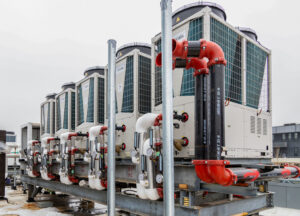
Gil-Bar is proud to play a key role in this project by supplying the YORK chiller units that now serve as the backbone of the museum’s new infrastructure. The new chiller system is expected to deliver approximately $235,900 in annual energy savings while reducing emissions by roughly 400 metric tons of carbon dioxide equivalent, reinforcing New York City’s broader decarbonization goals.

YORK Chillers at MOMI

Pictured above: Completed rooftop chiller at the Museum of the Moving Image, in Astoria, Queens, New York (Credit: NYC DCAS)

The chiller replacement is part of a broader modernization strategy that also included upgrades to MoMI’s air handling systems, lighting, and building controls that collectively improve the operational efficiency and visitor experience.

City officials emphasized that projects like this demonstrate how cultural institutions can lead by example in sustainability. By investing in advanced HVAC technologies and electrification, MoMI is moving closer to reducing reliance on fossil fuels while maintaining a comfortable environment for its growing number of visitors.

For Gil-Bar, the project underscores the growing importance of high-performance HVAC systems in large-scale public infrastructure. As energy codes tighten and cities push toward carbon reduction targets, the role of efficient HVAC systems, particularly in high-occupancy cultural spaces, continues to expand.

HVAC Electrification: Converting Commercial Systems for a Low-Carbon Future

As the world seeks to address climate concerns and accelerate decarbonization across the built environment, HVAC electrification has become a central strategy for commercial buildings. Electrification refers to the transition away from combustion-based heating systems that rely on fossil fuel sources such as natural gas and instead move toward electric heat solutions. For facility leaders and engineers, this shift represents more than a trend — it is a complete reworking of how heating and cooling systems are designed, installed, and operated.

In traditional commercial HVAC systems, boilers and furnaces generate heat through combustion. While these systems have historically been reliable, they contribute to greenhouse gas emissions and long-term carbon emissions tied directly to on-site fuel consumption. As businesses evaluate their carbon footprint and pursue sustainability goals, reducing carbon emissions from building operations has become a priority. HVAC electrification directly addresses this challenge by replacing combustion-based equipment with energy-efficient electric alternatives.

For commercial buildings, the implications are significant:

  • Reduced greenhouse gas emissions from on-site combustion
  • Improved indoor air quality due to the elimination of flue gases
  • Increased energy efficiency compared to legacy heating systems
  • Alignment with corporate decarbonization and sustainability objectives

However, HVAC electrification is not simply a matter of swapping one piece of HVAC equipment for another. It requires a strategic evaluation of the entire HVAC system, electrical grid capacity, operational demands, and long-term performance expectations. Engineers must assess whether to pursue full electrification, hybrid approaches such as a dual fuel system, or phased conversions that minimize disruption to ongoing operations.

As the HVAC industry adapts to regulatory pressures and new EPA refrigerant rules, electrification is increasingly tied to broader equipment transitions. Heat pumps, advanced cooling system designs, and next-generation heat pump technology are reshaping how commercial facilities approach heating and cooling.

In the sections that follow, we will explore why electrification is accelerating, how EPA regulations influence system design, and what commercial stakeholders must consider when converting to electric HVAC solutions.

Why Commercial HVAC Electrification Is Accelerating

The push for HVAC electrification is being driven by a combination of regulatory pressure, corporate sustainability commitments, and evolving energy markets. Across the country, commercial buildings account for a significant portion of overall energy consumption and greenhouse gas emissions. As more businesses commit to reducing carbon emissions, building operations have become a primary focus.

One major factor is the decarbonization strategy. Many organizations now track their carbon footprint across Scope 1 and Scope 2 emissions. Because traditional heating systems rely on fossil fuel sources, they contribute directly to on-site carbon emissions. Electrifying the HVAC system eliminates combustion and shifts heating and cooling to electricity, which is increasingly generated from clean and renewable energy sources.

At the same time, state and local building performance standards are tightening. In many markets, new construction projects are being encouraged — or required — to reduce fossil fuel reliance. For existing facilities, electrification provides a pathway to comply with future regulations while positioning the property for long-term sustainability.

Energy markets are also influencing this transition. Electricity is the clear current leader, as the most dependable clean energy, with wind and solar generation still developing large-scale effectiveness. As the grid evolves, electric heat solutions become more aligned with a sustainable future. Over time, this reduces the environmental impact of electrified systems even further.

In addition, electrification supports broader operational goals:

  • Improved indoor air quality due to the elimination of combustion gases
  • Enhanced energy efficiency through modern heat pumps
  • Integration with smart technology and advanced controls
  • Greater compatibility with renewable energy systems

For many commercial buildings, electrification is not simply about environmental responsibility. It is about long-term operational resilience, regulatory readiness, and aligning HVAC equipment decisions with where the world and the HVAC industry are heading.

EPA Regulations, Refrigerant Transition, and Carbon Emissions

In addition to decarbonization goals, federal regulation is accelerating HVAC electrification. Under the American Innovation and Manufacturing (AIM) Act, the EPA is phasing down hydrofluorocarbons (HFCs) — refrigerants commonly used in HVAC equipment that contribute significantly to greenhouse gas emissions.

The AIM Act mandates an 85 percent reduction in HFC production and consumption by 2036, using a stepped reduction schedule that began in 2022. This phasedown directly affects commercial HVAC equipment, particularly systems that rely on high-global-warming-potential (GWP) refrigerants such as R-410A.

Key EPA Transition Milestones

  • 2022 – HFC phasedown begins with initial production reductions
  • 2024 – Finalization of Technology Transitions Rule
  • January 1, 2025 – Restrictions begin on manufacturing and installing certain new comfort cooling systems using high-GWP refrigerants
  • 2026–2027 – Limited installation allowances for pre-manufactured equipment
  • 2036 – Targeted 85 percent HFC reduction achieved

Beginning in 2025, many newly manufactured HVAC systems must use lower-GWP refrigerants. This includes a shift toward A2L refrigerants, which have a lower carbon emissions impact but require updated equipment design and safety standards.

For commercial facilities, this regulatory shift intersects directly with HVAC electrification. As heat pumps and other electric heating and cooling technologies become more common, they must also comply with refrigerant transition requirements. This means electrification strategies must consider not only fuel switching, but also refrigerant selection and future compliance.

The result is a convergence of two forces:

  1. Reducing carbon emissions from fossil fuel combustion
  2. Reducing greenhouse gas emissions from refrigerants

Together, these pressures are reshaping how the HVAC industry approaches system design, equipment selection, and long-term sustainability planning.

For engineers and facility managers, the takeaway is clear: electrification decisions made today must align with both decarbonization goals and EPA refrigerant timelines to avoid stranded assets or premature equipment replacement.

Heat Pumps as the Core Pathway for Electrification

For most commercial projects, heat pumps are the foundation of HVAC electrification. Rather than generating heat through combustion, heat pumps move heat from one location to another using electricity. This allows a single system to provide both heating and cooling without relying on fossil fuel sources.

Modern heat pump technology has advanced significantly in recent years. Variable-speed compressors, improved refrigerants, and enhanced controls allow systems to operate efficiently even in colder climates where electric heat was once considered impractical. As a result, heat pumps are now widely used in commercial buildings seeking to reduce greenhouse gas emissions while maintaining reliable performance.

In an electrified HVAC system, heat pumps replace traditional heating systems while also functioning as the cooling system. This “one system” approach simplifies infrastructure and reduces the need for separate combustion-based equipment. Depending on the building’s load profile, systems may be configured as:

  • Air-source heat pumps
  • Water-source heat pumps
  • Variable refrigerant flow (VRF) systems
  • Hybrid configurations paired with supplemental electric heat

Compared to legacy systems, heat pumps offer higher energy efficiency because they transfer energy rather than generate it through combustion. For every unit of electricity consumed, they can deliver multiple units of heating or cooling output, resulting in lower energy consumption over time.

That said, electrification through heat pumps requires careful planning. Electrical infrastructure must support the additional load, especially during peak heating demand. Grid capacity, transformer sizing, and distribution upgrades may need evaluation before full conversion.

Despite these considerations, heat pumps remain the primary solution for beneficial electrification across the HVAC industry. As more people and businesses prioritize sustainability and decarbonization, this technology continues to play a central role in transitioning commercial buildings toward a more sustainable future.

Converting the Existing HVAC System: Retrofit Strategies

Converting an existing HVAC system to support electrification requires more than replacing a boiler or furnace. In most commercial buildings, heating and cooling systems are interconnected with ventilation, controls, and distribution infrastructure. A successful HVAC electrification conversion must account for how all systems operate together.

There are generally three retrofit pathways that commercial facilities consider:

1. Full Electrification

In a full conversion, combustion-based heating systems are removed entirely and replaced with electric heat solutions such as heat pumps or electric boilers. This approach eliminates fossil fuel use on-site and can significantly reduce carbon emissions when powered by clean energy.

Full electrification is often most feasible when:

  • Major equipment is already nearing end of life
  • Electrical service upgrades are planned
  • The organization has long-term decarbonization goals

While this approach delivers maximum greenhouse gas emissions reduction, it requires thorough load analysis and grid capacity planning.

2. Hybrid or Dual Fuel System Approach

In some cases, facilities adopt a dual fuel system that combines electric heat pumps with existing natural gas infrastructure. Heat pumps handle the majority of heating and cooling during moderate conditions, while legacy systems provide supplemental heat during peak demand or extreme weather.

This phased transition allows businesses to:

  • Reduce carbon footprint gradually
  • Limit immediate capital cost
  • Manage grid capacity constraints
  • Maintain operational continuity

Over time, as the grid becomes cleaner and infrastructure is upgraded, facilities can transition fully away from fossil fuel systems.

3. Phased Equipment Replacement

Many commercial buildings electrify incrementally. As HVAC equipment reaches its end of life stage, replacements are specified with electrified alternatives. This strategy aligns capital planning with sustainability objectives and avoids premature equipment retirement.

Phased conversion typically includes:

  • Replacing combustion-based heating systems with heat pumps
  • Electrifying domestic hot water production
  • Upgrading controls and smart technology
  • Improving ventilation and air quality systems

This approach spreads cost over time while steadily improving energy efficiency and reducing emissions.

Electrical and Infrastructure Considerations

Regardless of the pathway selected, electrification increases reliance on electricity. Facilities must evaluate:

  • Transformer capacity
  • Panel and distribution infrastructure
  • Peak load impact
  • Utility coordination

Because heating loads can be significant, especially in colder regions, electrification planning must address how systems will operate during peak winter demand without compromising performance.

When strategically designed, an electrified HVAC system can operate efficiently, reduce greenhouse gas emissions, and support long-term sustainability goals. The key is treating electrification as a systems-level transition rather than a single equipment swap.

Grid Readiness, Energy Efficiency, and Load Management

One of the most critical considerations in HVAC electrification is grid readiness. As commercial buildings transition away from fossil fuel-based heating systems, total electricity demand often increases — particularly during peak winter heating periods. Evaluating electrical infrastructure early in the process helps prevent performance issues and unexpected upgrade costs.

Electrified heating and cooling systems can significantly improve overall energy efficiency, but they also shift energy consumption patterns. Instead of burning fossil fuels on-site, facilities rely on electricity drawn from the grid. This requires engineers to assess:

  • Existing transformer and service capacity
  • Distribution panel limits
  • Peak demand charges
  • Backup power and resiliency requirements

In some cases, electrification may require utility coordination to upgrade service lines or increase available power. This is especially important in older commercial buildings where the electrical infrastructure was not designed to support large electric heat loads.

Load management strategies can mitigate these challenges. Smart technology and advanced controls allow facilities to optimize system performance by staging equipment, adjusting setpoints, and balancing heating and cooling demand. Demand response programs may also reduce operational costs by shifting load during peak grid periods.

Improving building efficiency before electrification is often a best practice. Envelope upgrades, ventilation optimization, and right-sizing HVAC equipment can reduce total energy demand and lower the electrical capacity required for conversion. When heating systems operate efficiently, the electrified system places less strain on both the building and the grid.

Electrification planning should also consider long-term trends. As more businesses and residential properties transition to electric systems, grid infrastructure will continue evolving. Designing systems today that are flexible and scalable positions commercial facilities for a more sustainable future.

Practical Steps for Converting Commercial Systems for a Lower-Carbon Future

Moving toward HVAC electrification requires a structured, engineering-led approach. Rather than reacting to regulation or equipment failure, commercial facilities benefit from proactive planning that aligns decarbonization goals with operational realities.

1. Conduct a Baseline Assessment

Evaluate current HVAC system performance, energy consumption, fuel usage, and carbon emissions. Identify equipment nearing the end of life and quantify heating and cooling loads to establish a clear starting point.

2. Perform Electrical and Grid Capacity Analysis

Assess transformer capacity, distribution panels, and peak demand exposure. Coordinate with utility providers early to understand upgrade timelines and infrastructure constraints before committing to electrified systems.

3. Model Electrification Scenarios

Compare full electrification, hybrid systems, and phased conversion pathways. Analyze lifecycle cost, projected energy efficiency improvements, and anticipated emissions reduction to determine the most practical strategy.

4. Align With EPA Refrigerant Transition Timelines

Ensure new HVAC equipment selections comply with 2025 and future low-GWP refrigerant requirements to avoid stranded assets and premature replacement.

5. Implement in Phases When Needed

Prioritize high-impact systems first, such as central heating systems or large cooling equipment. Phasing conversions helps manage capital cost while maintaining operational continuity.

6. Integrate Controls and Smart Technology

Use advanced controls to optimize performance, manage peak electrical loads, and improve long-term system efficiency across the facility.

7. Partner With an Experienced Commercial HVAC Expert

Electrification impacts system design, grid infrastructure, refrigerant compliance, and long-term performance. Working with a knowledgeable commercial HVAC partner ensures proper load modeling, equipment selection, regulatory alignment, and coordinated installation. An expert guide helps reduce risk, control cost, and deliver a technically sound transition.

Planning Your HVAC Electrification Strategy

HVAC electrification is more than a trend — it is a strategic shift driven by decarbonization goals, EPA refrigerant regulations, and long-term sustainability planning. Whether your facility is pursuing a full HVAC electrification conversion or evaluating phased upgrades, early engineering analysis is critical to protect performance, control cost, and ensure regulatory compliance.

Connect with us to begin a practical, performance-driven electrification evaluation.