
Gil-Bar Contributes to Major Energy Upgrade at Museum of the Moving Image
A major energy efficiency milestone has been reached in New York City, as the NYC Department of Citywide Administrative Services (DCAS) and the Museum of the Moving Image (MoMI) announced the completion of a multi-year infrastructure upgrade program totaling more than $7.5 million.
At the center of the latest phase is a $2.7 million HVAC modernization effort that involved replacing the old, oversized heating tanks, removing the second boiler plant, and installing an air-source heat pump. This project marks the latest milestone in DCAS and MoMI’s efforts to expand building electrification, transforming the museum into a greener, more energy-efficient facility while enhancing occupant comfort ahead of peak summer months.
Gil-Bar is proud to play a key role in this project by supplying the YORK chiller units that now serve as the backbone of the museum’s new infrastructure. The new chiller system is expected to deliver approximately $235,900 in annual energy savings while reducing emissions by roughly 400 metric tons of carbon dioxide equivalent, reinforcing New York City’s broader decarbonization goals.
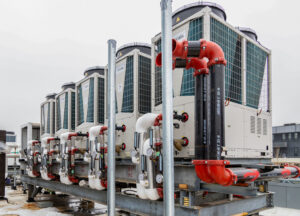
Pictured above: Completed rooftop chiller at the Museum of the Moving Image, in Astoria, Queens, New York (Credit: NYC DCAS)
The chiller replacement is part of a broader modernization strategy that also included upgrades to MoMI’s air handling systems, lighting, and building controls that collectively improve the operational efficiency and visitor experience.
City officials emphasized that projects like this demonstrate how cultural institutions can lead by example in sustainability. By investing in advanced HVAC technologies and electrification, MoMI is moving closer to reducing reliance on fossil fuels while maintaining a comfortable environment for its growing number of visitors.

For Gil-Bar, the project underscores the growing importance of high-performance HVAC systems in large-scale public infrastructure. As energy codes tighten and cities push toward carbon reduction targets, the role of efficient HVAC systems, particularly in high-occupancy cultural spaces, continues to expand.